

Iran has suspended talks with the United States in protest over Israel’s continued military operations in Lebanon, according to Iran’s semi-official Tasnim news agency, in a move that further strains already fragile diplomatic efforts involving Tehran, Washington and regional actors.
The report said Iran’s negotiating team would halt “talks and exchanges of texts through mediators,” arguing that Israeli strikes in Lebanon amounted to a violation of understandings tied to ceasefire arrangements.
“Given the continuation of the Israeli regime’s attacks in Lebanon, and considering that Lebanon had been one of the preconditions for a ceasefire — which has now been violated on all fronts, including Lebanon — the Iranian negotiating team is suspending ‘talks and exchanges of texts through mediators,’” Tasnim reported.
The agency added that Iran is demanding an immediate halt to Israeli military operations in both Gaza and Lebanon, as well as a full withdrawal of Israeli forces from Lebanese territory. It further quoted Iranian positions stating that no negotiations would resume “until Iran’s and the resistance’s position on these matters is satisfied.”
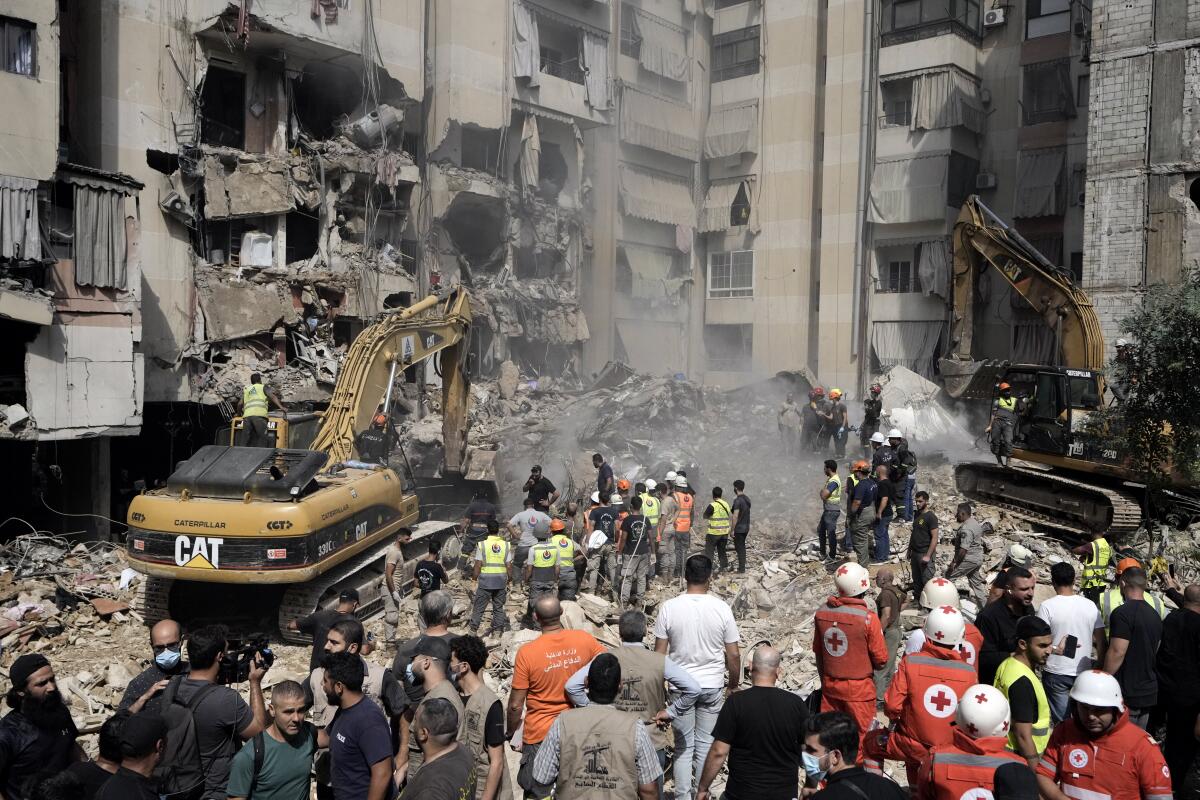
The suspension comes amid heightened military and diplomatic activity across the region, including reported Israeli plans to strike Beirut’s southern Dahieh district, a known stronghold of Hezbollah. An Israeli official said the operation had been coordinated with the United States.
Iranian state media also reported that Tehran and allied groups were considering escalation options, including the “complete closure of the Strait of Hormuz” and activation of other regional fronts, such as the Bab el-Mandeb Strait, a key maritime chokepoint near Yemen.
Earlier developments included statements from Israeli Prime Minister Benjamin Netanyahu instructing the military to prepare strikes on Beirut’s southern suburbs, while Israeli forces continue operations in southern Lebanon, where they have seized strategic positions including a Crusader-era fortress in the border region after days of fighting.
In Tehran, Iranian Foreign Minister Abbas Araghchi warned that ceasefire arrangements must be respected across all fronts, including Lebanon, arguing that violations in one area would be treated as violations of the broader agreement.
“The ceasefire between Iran and the US is unequivocally a ceasefire on all fronts, including in Lebanon,” Araghchi said.
“Its violation on one front is a violation of the ceasefire on all fronts. The US and Israel are responsible for the consequences of any violation.”
The latest escalation follows reports of US military “self-defense strikes” on Iranian-linked infrastructure, as well as claims by Iran’s Islamic Revolutionary Guard Corps of retaliatory action against a US air base used in earlier operations.
Mohammad Bagher Ghalibaf, Iran’s top negotiator, accused Washington of failing to uphold its commitments, citing what he described as continued Israeli military activity in Lebanon and restrictions affecting Iranian ports as evidence of non-compliance with ceasefire expectations.
The United States has not publicly confirmed the reported suspension of talks but has remained central to ongoing mediation efforts. US Secretary of State Marco Rubio has reportedly held separate discussions with Israeli and Lebanese leadership as Washington pushes a phased de-escalation plan aimed at containing the conflict.
The proposal reportedly envisions Lebanese authorities exerting pressure on Hezbollah to halt attacks on Israel, while Israel would limit operations in densely populated areas, including Beirut’s southern districts, in an effort to prevent further civilian casualties and wider regional escalation.
On the ground, the conflict between Israel and Hezbollah has intensified since the Gaza war began in October 2023, with Hezbollah opening a northern front in solidarity with Palestinians.
Months of cross-border exchanges have since expanded into sustained military operations involving airstrikes, rocket fire, and ground engagements across southern Lebanon.
Lebanese officials have accused Israel of pursuing what they describe as a “scorched-earth policy,” while Israel maintains that its operations are aimed at degrading Hezbollah’s military capabilities and preventing attacks on its northern border communities.
Diplomatic efforts involving the United States, France and regional actors have repeatedly sought to secure a durable ceasefire, but enforcement has remained inconsistent, with both sides accusing each other of violations.
With Iran now suspending talks and regional actors warning of broader escalation, analysts say the risk of a wider conflict involving multiple fronts across Lebanon, Gaza and the Red Sea is rising, placing renewed pressure on already strained diplomatic channels.
